

AI tool redesigns proteins without sacrificing function
The Raygun tool, introduced in a study in Nature, opens new possibilities for engineering proteins with customized sizes and properties, to be used in biological research and ultimately to be developed as targeted medicines.
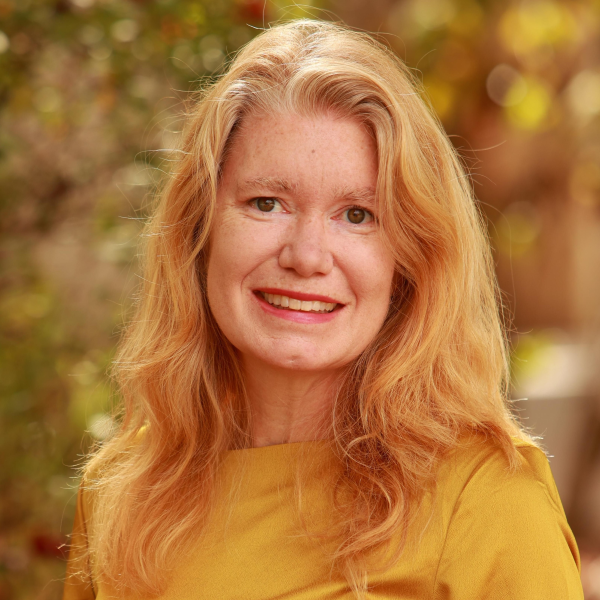

Blanche Capel receives Carl G. Hartman Award
Blanche Capel, PhD, has been selected to receive the Carl G. Hartman Award from the Society for the Study of Reproduction for outstanding contributions to the scientific discipline of reproductive biology.
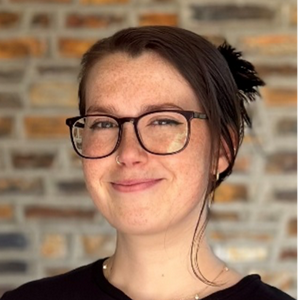
Cell biology trainee among recipients of germinator awards
Julia Dziabis, a postdoctoral fellow mentored in the Scott-Hewitt lab, will receive $25,000 in seed funding from the Duke Institute for Brain Sciences to launch bold, high‑risk ideas.

Jordan Green of the Evans lab tackles the science of aging
Jordan Green, a PhD student working with Chantell Evans, PhD, is one of the emerging young Duke researchers exploring how science can help us age with more resilience.
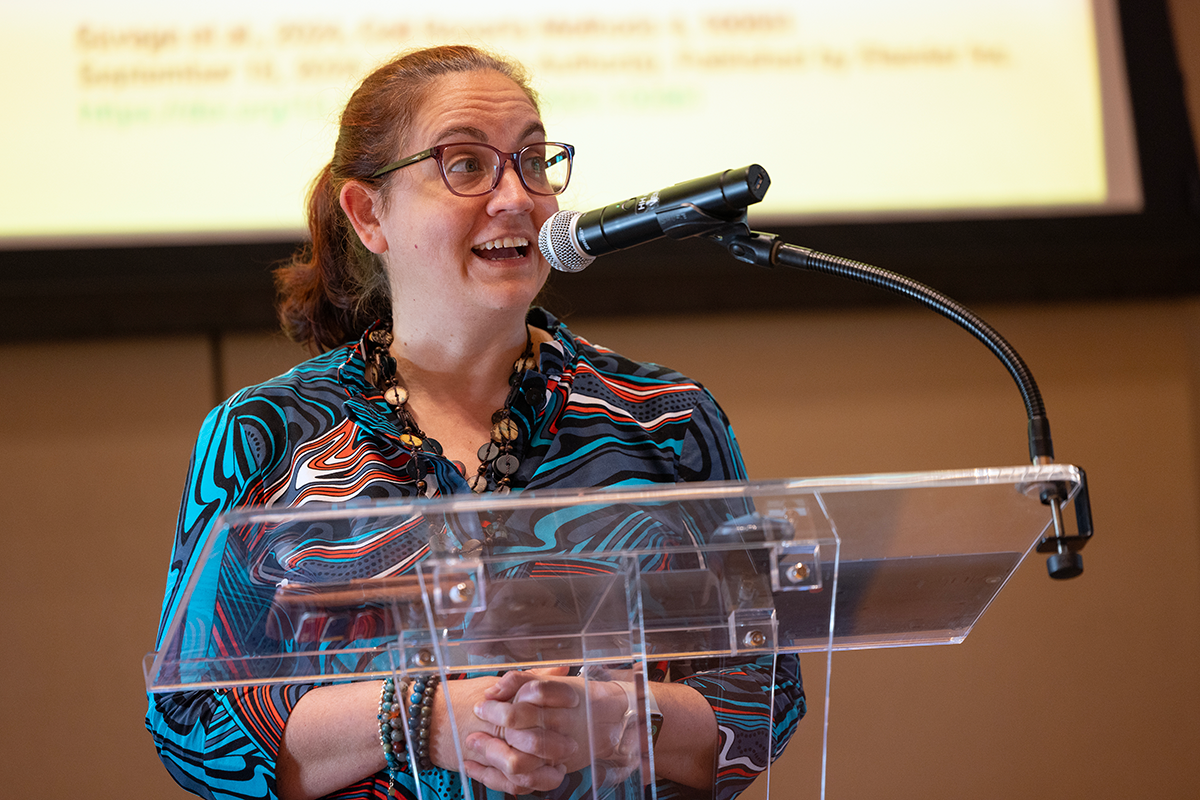
How to build a brain
Duke researchers discovered an unexpected dual role for a protein called Hevin, revealing how three brain-cell types coordinate to shape early brain circuitry.
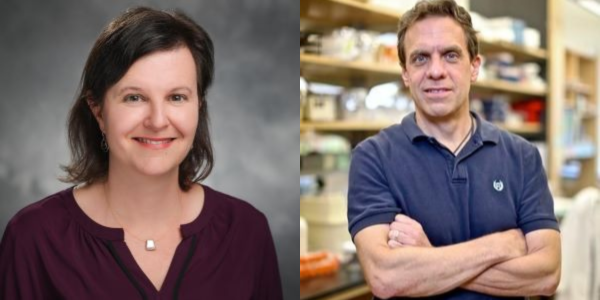
Nicchitta and Silver awarded 2026 distinguished professorships
Two faculty from the Department of Cell Biology have been awarded distinguished professorships by Duke University.

Gladfelter Lab: Inside the mold that breaks the rules of cell biology
Cell biologist Amy Gladfelter, PhD, has been intrigued by a fungus called Ashbya gossypii for 20 years. Made of branching strands, this mold consists of “giant” cells packed with multiple nuclei. In 2006, she showed that none of these nuclei divide at the same time. At the time, this independent division inside a single cell went against everything scientists thought they knew about how cells operate. Now Gladfelter’s team at the Duke University School of Medicine has shown how Ashbya keeps division and growth organized: by using tiny “popup” biochemical compartments made from a protein called Whi3.
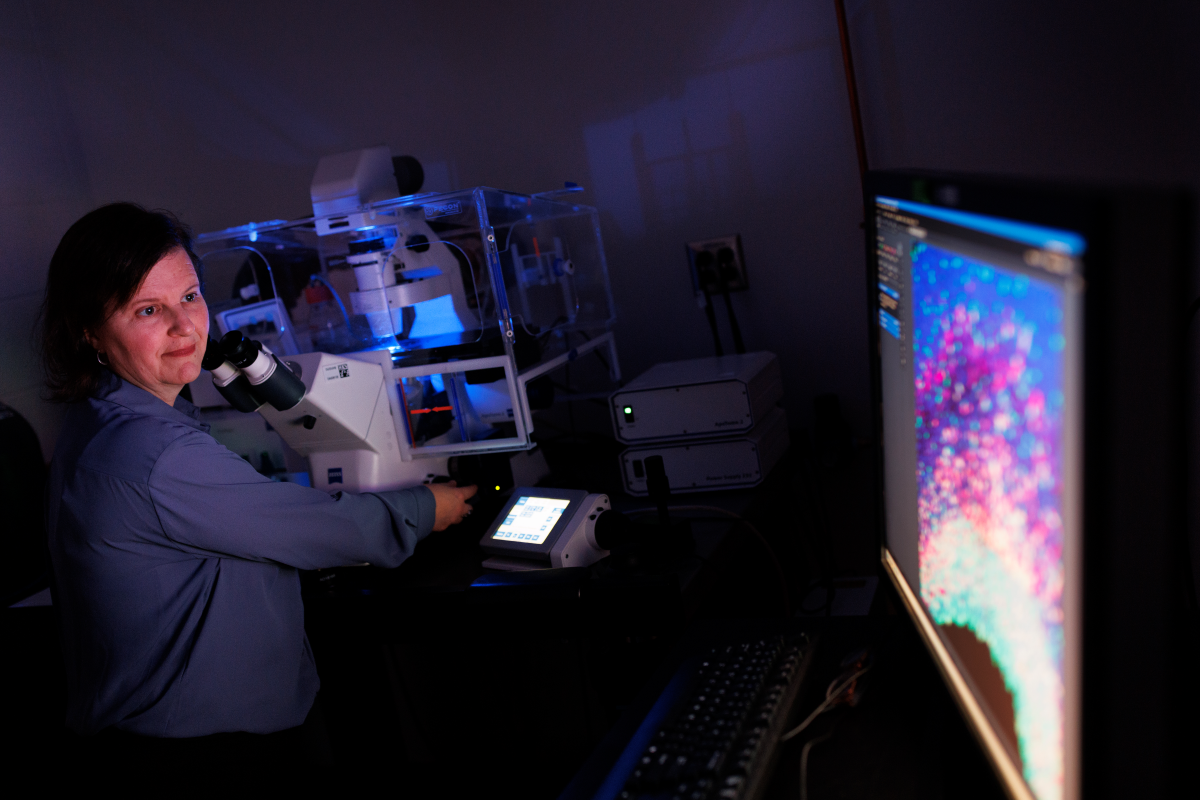
Silver Lab: A tiny DNA switch may explain why human brains grew so big
A short piece of DNA that changed rapidly in humans compared with other mammals
appears to act like a volume knob for brain growth.
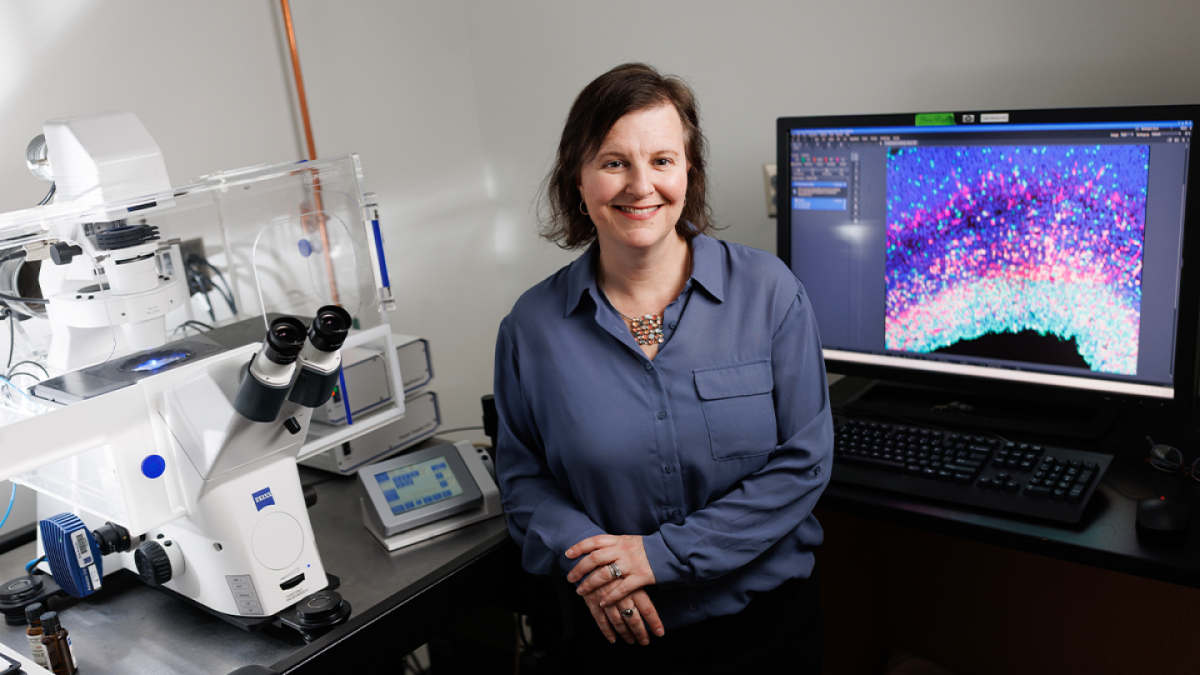
The Brain’s Blueprint Maker
Debra Silver, PhD, is pursuing one of neuroscience’s biggest questions: What makes a human brain human? She researches it with the same mix of precision and adventure she brings to her passion for scuba diving.